

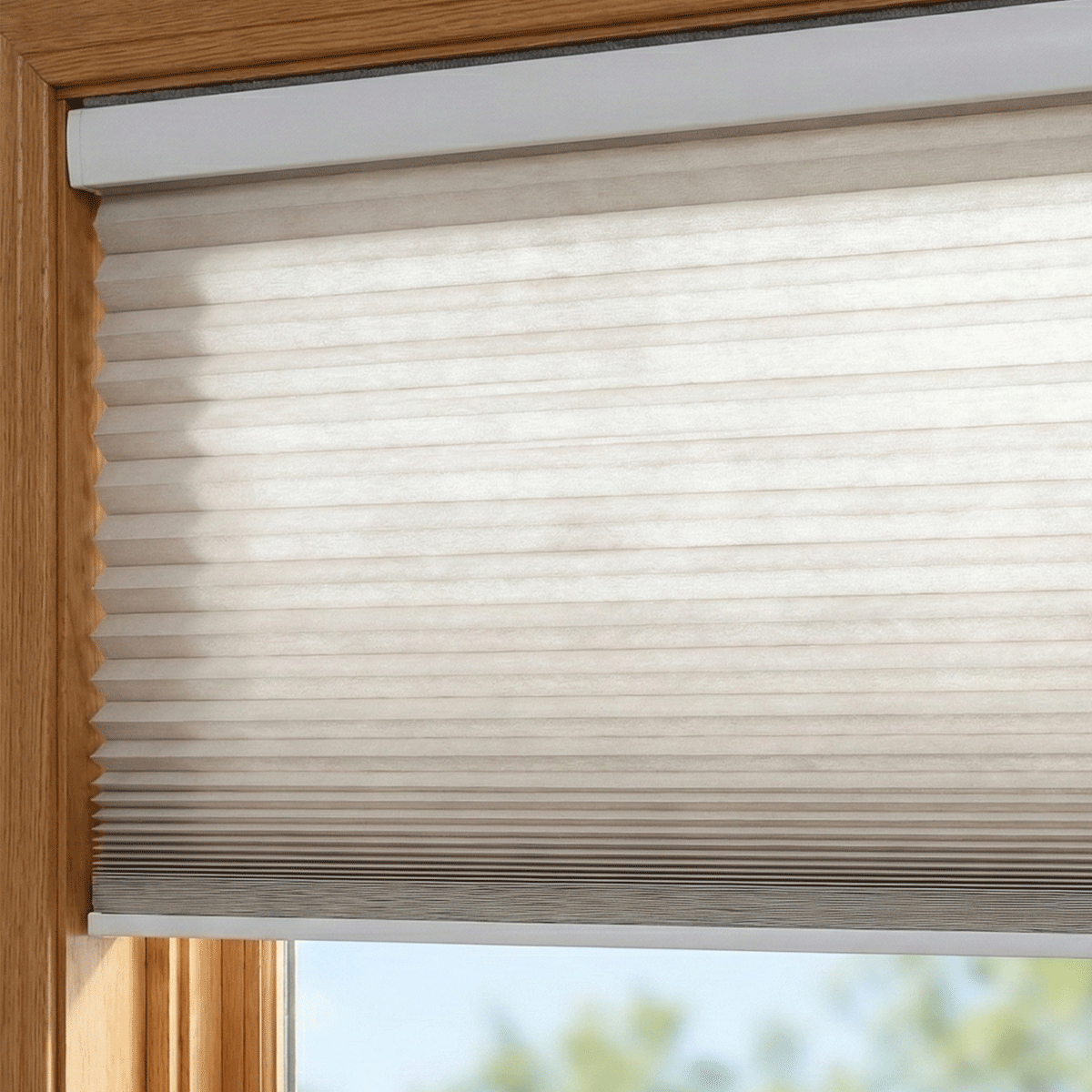


Motorized Top Down Shades for Smart Home Light Control
by Yuvien Royer on Jan 08 2024
Finding the right balance between natural lighting and indoor privacy is one of the most common challenges when dressing a window. Conventional window blinds and shades typically move in only one direction, forcing you to choose between shutting out the sun entirely or exposing your room to neighbors and passersby. Embracing motorized top down shades changes that equation completely. By allowing the top of the shade to lower while the bottom remains in place, these motorized window coverings introduce precise daylighting control without compromising personal comfort.
Why Motorized Top Down Shades Transform Daily Living
Standard window treatments operate from the top of the window frame downward, covering the upper portion of the glass first. However, the upper part of a window is where ambient daylight enters most effectively, bouncing off the ceiling to brighten an entire room naturally. When you install motorized top down shades, you can drop the top rail while keeping the lower rail positioned to block light at eye level or maintain lower-level privacy.
Because these motorized shades operate via an internal dual-lift mechanism, you can adjust how much light enters throughout the day with a simple tap on a remote control or smartphone app. Removing manual pull cords also creates a clean, uncluttered profile that looks tidy along your window sill and wall. In my own home office, switching to this configuration solved harsh midday desk glare while still letting me look out at the open sky.
Cellular Shades vs Roman Shades for Top Down Movement
When selecting fabrics and designs for a dual-action system, two primary styles dominate the conversation: cellular shades and roman shades.
How Cellular Shades Handle Light and Insulation
Honeycomb or cellular shades remain the most popular build for top-down operation. The honeycomb fabric construction traps pockets of air, which actively reduces heat transfer through the window glass during warm summers and chilly winters. By limiting heat transfer, high-quality cellular shades help maintain a steady room temperature.
You can choose between translucent light-filtering fabric that diffuses incoming sun or opaque blackout fabric to block light completely when needed. Some homeowners choose specialized cellular shades with dual fabric panels to enjoy diffused daylight during afternoon work sessions and total darkness at night.
Designing Roman Shades and Pleated Shades for Flexible Coverage
While cellular structures offer thermal efficiency, tailored roman shades deliver classic interior design appeal. Custom roman shades feature structured folds of rich fabric that add texture to a living room, bedroom, or dining area. When combined with dual-motion motors, roman shades can drape neatly along the lower half of the frame while daylight floods through the exposed upper glass.
For homeowners who appreciate crisp folds, pleated shades present a lightweight alternative to heavier roman shades. Whether you select fabric roman shades, pleated shades, or cellular options, the fabric weight influences how smoothly the shade stacks when lowered or raised. Pairing fabric roman shades with stationary drapes along the sides can create an elegant, layered style while maximizing both light management and insulation.
Motorized Blinds and Smart Blinds Integration
Today's smart blinds and motorized blinds offer far more than just standard handheld remote convenience. Modern smart blinds integrate into your broader smart home automation system, responding to schedules, sunlight sensors, and voice commands. For an in-depth look at how dual-motor mechanisms work, explore our guide to motorized top-down bottom-up systems.
With smart home integration, you can connect your motorized blinds to platforms like Google Home or Apple HomeKit. This connectivity lets you build custom routines:
- Morning Routine: Schedule your smart blinds to lower the top rail at sunrise, letting natural lighting gently wake you without exposing your room.
- Afternoon Glare Management: Command Google Home to adjust your motorized blinds when midday sun hits southern-facing glass.
- Evening Privacy: Sync automatic blinds to close completely at dusk, keeping your indoor space shielded from view.
These automatic blinds make it easy to maintain an optimal balance of illumination and privacy without constantly reaching for a remote.
Selecting Motorized Shades for Your Window Treatments
Choosing the best motorized window treatments involves evaluating your space, window size, and preferred aesthetic. While large picture windows make stunning statements with motorized shades, smaller windows also benefit from the streamlined profile of top-down operation. If you love a softer look, combining Roman shades or sheer fabrics with motorized shades provides refined texture; browse our motorized sheer shades collection to see how delicate fabrics filter daylight.
Layering shades with side drapery panels or existing window blinds is another great strategy. For deeper insights into layering strategies, see our guide to smart window coverings over blinds.
Installation Factors: Inside Mount, Window Frame, and Tools
Before ordering, careful measuring of your window frame ensures a snug fit and smooth operation. An inside mount is generally preferred for motorized top down shades because it encloses the fabric and motor assembly neatly within the casing. Check the depth of your window frame to make sure there is sufficient clearance for the mounting hardware and headrail.
Installation typically requires only standard household tools, such as a tape measure, level, drill, and screwdriver. Secure the mounting hardware firmly into the header or wall studs, snap the headrail into position, and calibrate the upper and lower travel limits using your remote control. With proper installation, your motorized blinds will operate smoothly, giving you lasting control over privacy, style, and daylight.